January Produce Guide: Peak Seasonal Picks for US Farmers Markets
As the festive whirlwinds of the holiday season settle, January often signals a fresh start – a time for renewed commitments to health and well-being. And what better way to kickstart your healthy eating journey than by embracing the incredible bounty available at your local farmers market? While the crisp winter air might suggest scarcity, January is, in fact, a surprisingly abundant month for fresh, nutrient-rich produce across the United States. If you're wondering whats in season January, prepare to be delighted by a vibrant array of root vegetables, hardy greens, and zesty citrus fruits that are at their peak flavor and nutritional value.
Shopping seasonally is more than just a trend; it's a delicious way to support local farmers, reduce your environmental footprint, and ensure your meals are packed with the freshest ingredients. Forget bland, out-of-season alternatives – January's harvest offers robust flavors perfect for cozy, nourishing dishes that will warm you from the inside out. From hearty soups and stews to vibrant salads and refreshing juices, incorporating seasonal produce into your meal plans is a strategic move for a healthier, more flavorful new year.
Why Shop Seasonal in January? The Benefits Beyond the Basket
There are myriad reasons to prioritize seasonal shopping, especially when exploring whats in season January. Beyond the immediate satisfaction of fresh food, the advantages extend to your health, your community, and the planet.
- Unmatched Flavor and Nutrition: Produce picked at its peak ripeness naturally tastes better. Fruits and vegetables allowed to mature on the vine or in the ground, rather than being harvested early for long-distance shipping, develop richer flavors and more potent nutrients. This means your January dishes will not only be more delicious but also more beneficial to your health.
- Support for Local Farmers and Economy: When you purchase seasonal items from a farmers market, you're directly investing in your local agricultural community. This strengthens local economies, helps preserve farmland, and fosters a direct connection between you and the people who grow your food.
- Environmental Stewardship: Seasonal, local produce typically travels shorter distances from farm to table. This significantly reduces the carbon footprint associated with transportation, packaging, and refrigeration compared to produce flown in from other continents or grown in energy-intensive greenhouses.
- Cost-Effectiveness: When produce is in season and abundant, it's often more affordable. Farmers have a surplus, and without the added costs of long-distance shipping and storage, those savings are often passed on to you, the consumer.
- Culinary Creativity and Variety: Exploring whats in season January encourages culinary adventure. You'll be inspired to try new recipes, experiment with different cooking methods, and discover lesser-known varieties of common vegetables, expanding your palate and cooking repertoire.
Abundance Awaits: What's in Season January?
Despite the colder weather, January delivers a remarkable variety of produce perfectly suited for hearty winter meals and invigorating health boosts. Here’s a general overview of the categories thriving this month:
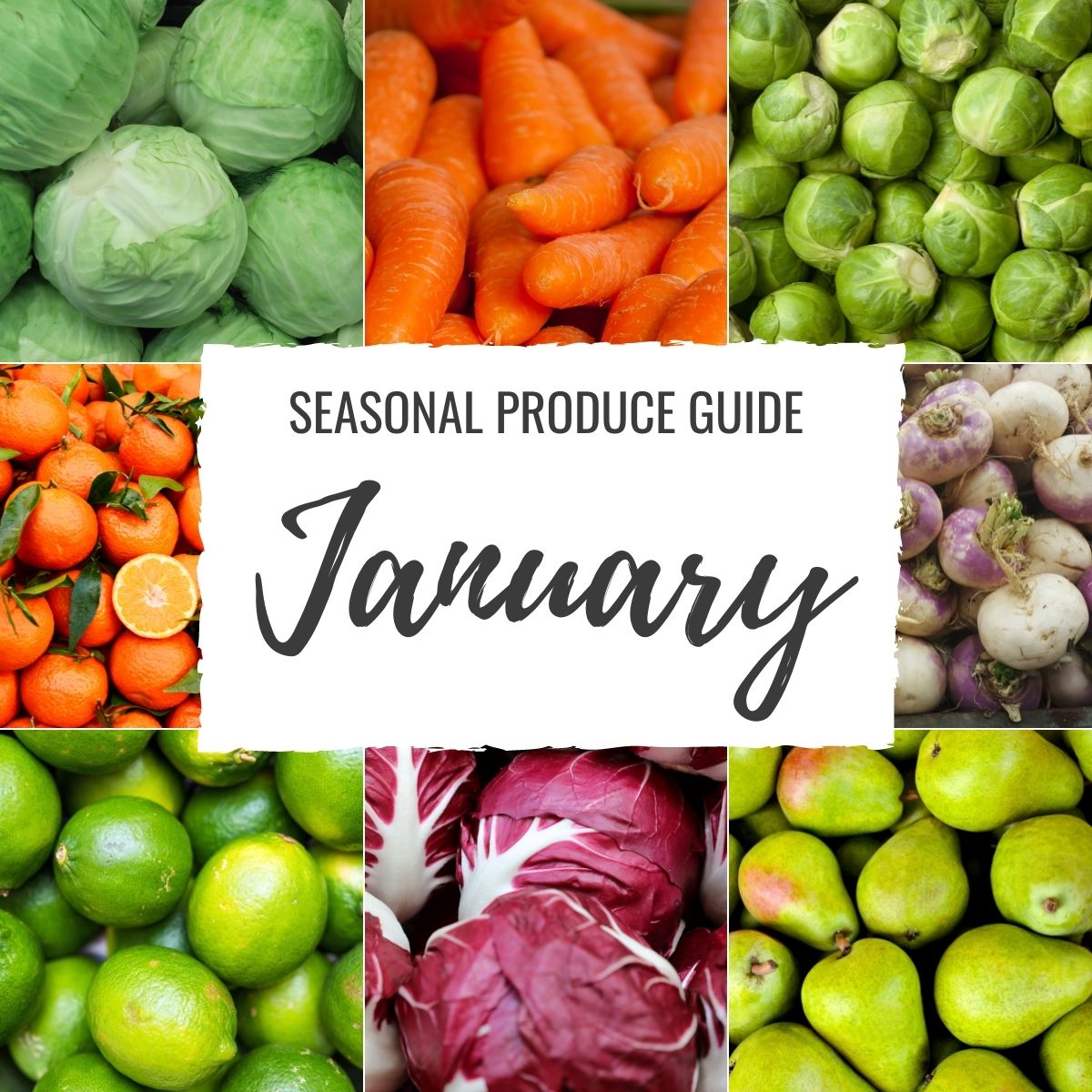
- Robust Root Vegetables: Think sweet potatoes, carrots, beets, parsnips, turnips, and rutabagas. These underground treasures are packed with fiber, vitamins, and minerals, and their earthy sweetness deepens with roasting, stewing, or mashing. They form the backbone of many comforting winter dishes.
- Vibrant Winter Citrus: Oranges, mandarins, grapefruits, and lemons truly shine in January. Bursting with immune-supporting Vitamin C, these fruits offer a refreshing zing to combat winter doldrums. They're perfect for snacking, juicing, baking, or adding a bright note to savory dishes.
- Hearty Greens & Cruciferous Veggies: Kale, spinach, collard greens, Brussels sprouts, broccoli, and cauliflower are at their nutritional peak. These leafy powerhouses and versatile florets are loaded with antioxidants, vitamins K and A, and fiber, making them essential for winter wellness.
- Flavorful Alliums & Storage Staples: Leeks, onions, and garlic are foundational to countless recipes and are readily available. Plus, storage varieties of apples, pears, and potatoes ensure these comforting favorites are still in great supply.
A Deep Dive into January's Bountiful Harvest: Regional Breakdown
While much of January's produce is broadly available, specific items might reach their absolute peak or begin their season in certain regions. Here’s a glimpse at what to expect in different parts of the US:
US East Coast Picks
The East Coast sees an incredible variety, particularly from its southern states.
- Fruits: Oranges & Mandarins (especially from Florida), Grapefruit, Lemons, Tangerines, Pomegranates (often available from storage), Apples & Pears (storage varieties).
- Vegetables: Winter Squash (butternut, acorn, spaghetti), Sweet Potatoes, Carrots, Beets, Parsnips, Turnips & Rutabagas, Kale & Collard Greens, Brussels Sprouts, Cabbage, Broccoli & Cauliflower, Leeks & Onions, Garlic, Celery & Celery Root, Potatoes.
US West Coast Wonders
The milder climate of the West Coast often allows for a broader range, including some unique finds.
- Fruits: Oranges, Mandarins & Tangerines, Lemons & Limes, Grapefruit, Kiwis, Pomegranates, Apples & Pears, and Avocados (California's peak season begins!).
- Vegetables: Winter Squash, Sweet Potatoes & Yams, Carrots, Beets, Parsnips, Kale, Chard & Collards, Brussels Sprouts, Broccoli & Cauliflower, Cabbage, Leeks & Onions, Celery & Celery Root, Lettuce & Spinach (especially in coastal regions), Fennel, Mushrooms.
Central US Staples
The heartland relies heavily on hardy storage crops and produce from its warmer southern states.
- Fruits: Apples & Pears (storage varieties), Oranges & Grapefruit (from southern states like Texas), Pomegranates.
- Vegetables: Winter Squash, Sweet Potatoes, Carrots, Beets, Parsnips, Turnips & Rutabagas, Kale & Collard Greens, Brussels Sprouts, Cabbage, Broccoli & Cauliflower, Potatoes, Onions & Garlic, Celery Root.
Maximizing Your January Farmers Market Haul
To make the most of your farmers market visit and the incredible produce available when whats in season January, here are some practical tips:
- Go Early: For the best selection and freshest picks, try to arrive shortly after the market opens.
- Talk to Farmers: Don't be shy! Farmers are a wealth of knowledge. Ask them about their growing practices, how to best store produce, and even for cooking suggestions. This is part of the unique farmers market experience.
- Bring Your Own Bags: Reusable bags are not only environmentally friendly but also often sturdier for carrying your delicious haul.
- Inspect Produce Carefully: Look for vibrancy in color, firmness to the touch, and a fresh, clean smell. Avoid produce with significant blemishes, mold, or signs of wilting (unless it's a naturally softer item like some herbs).
- Plan (Loosely): While it's great to be spontaneous, having a general idea of your meal plans for the week can help you focus your purchases and ensure you don't overbuy or forget key ingredients.
- Store Properly: Different produce requires different storage. Root vegetables typically do well in a cool, dark place, while greens often thrive in the refrigerator crisper drawer after a quick wash and dry. Citrus can often be kept on the counter for a few days, then moved to the fridge for longer storage.
Embracing Winter Warmth: Culinary Inspiration
January's seasonal ingredients naturally lend themselves to nourishing and comforting cuisine. The robust flavors and textures are perfect for dishes that warm the body and soul.
- Hearty Soups and Stews: Combine root vegetables like carrots, parsnips, and sweet potatoes with leafy greens such as kale or collards, and perhaps some Brussels sprouts, for incredibly flavorful and nutrient-dense broths.
- Roasted Vegetable Medleys: Roasting brings out the natural sweetness of winter squash, beets, and broccoli. Toss with olive oil, herbs, and a squeeze of fresh lemon for a simple yet elegant side dish.
- Zesty Salads: Don't think winter salads are boring! Combine crisp January greens like spinach or tender lettuce (if available regionally) with segments of oranges or grapefruits, toasted nuts, and a light vinaigrette for a refreshing burst of flavor.
- Comforting Casseroles and Bakes: Layer sliced potatoes, leeks, and cabbage into a gratin, or create a cheesy broccoli and cauliflower bake for a family-friendly meal.
- Bright Desserts and Drinks: Utilize the peak citrus season for fresh-squeezed juices, vibrant fruit tarts, or even just simple segments enjoyed as a healthy snack.
For more delicious and healthy ideas, explore What's In Season January: Your Guide to Healthy Produce & Recipes.
Embracing the bounty of whats in season January is a delightful way to honor your new year's health goals, support your local community, and bring incredibly fresh, flavorful food to your table. A trip to your local farmers market this month promises not just groceries, but an experience – a connection to the land, the seasons, and the dedicated people who grow our food. So bundle up, grab your reusable bags, and discover the peak seasonal picks that await you. To delve deeper into the health advantages of these winter powerhouses, don't miss our guide on Boost Your Health: Top January Fruits & Veggies for Winter Wellness.
