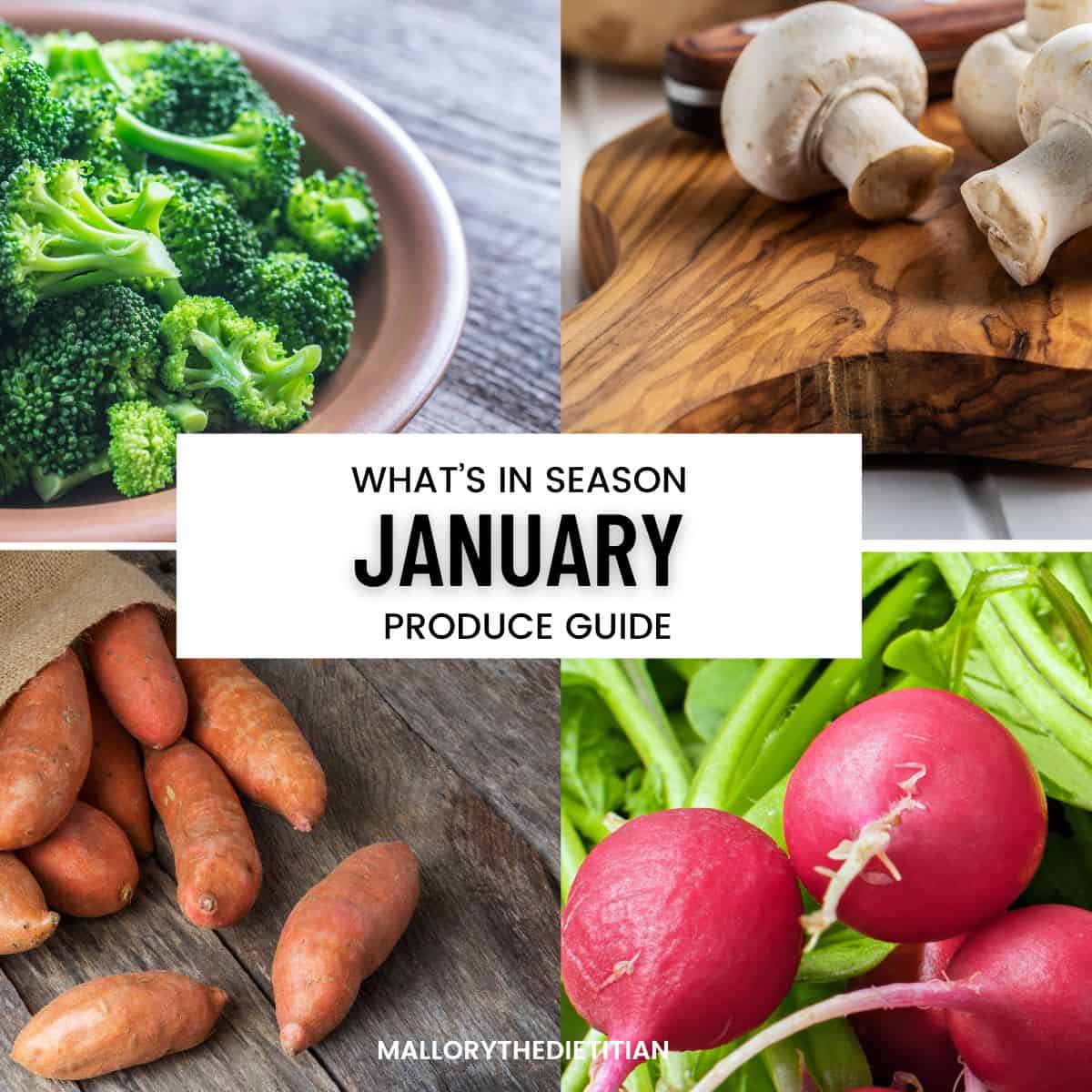
As the festive season winds down and a new year begins, January often brings a renewed focus on health and wellness. Many of us commit to healthier eating habits, and there's no better way to support these resolutions than by embracing the incredible bounty of seasonal produce. Despite the colder weather, January is a surprisingly abundant month for fresh, nutritious fruits and vegetables. Knowing what's in season January can transform your kitchen, bringing vibrant flavors and essential nutrients to your winter meals.
Far from being a dormant month for produce, January offers a wealth of ingredients that are at their peak in terms of flavor, nutritional value, and often, affordability. From robust root vegetables perfect for hearty stews to crisp leafy greens and immune-boosting citrus fruits, the options are plentiful. Incorporating these seasonal stars into your diet is a delicious and sustainable way to nourish your body, support local agriculture, and add excitement to your culinary routine.
Why Choose Seasonal Produce in January?
The benefits of opting for produce that's in season extend far beyond just taste. While many fruits and vegetables are available year-round thanks to global shipping, choosing seasonal items comes with a host of advantages:
- Superior Flavor & Nutrition: Produce harvested at its peak ripeness naturally tastes better and retains more of its vital nutrients. January's seasonal offerings are no exception, bursting with flavor that can elevate any dish.
- Cost-Effectiveness: When produce is abundant and doesn't need to travel far, it's often more affordable. Shopping seasonally can help you save money on your grocery bill.
- Environmental Benefits: Buying local, seasonal produce reduces the carbon footprint associated with long-distance transportation and cold storage. It's a choice that's good for the planet.
- Support for Local Farmers: Your purchases directly support local farmers and their communities, helping to sustain agricultural practices that are often more sustainable and ethical.
- Culinary Variety & Inspiration: Seasonal eating encourages you to experiment with new ingredients and recipes, breaking free from culinary ruts and expanding your cooking repertoire. It’s an exciting way to discover new favorites.
January's Abundant Harvest: Fruits & Vegetables
Even with colder temperatures, January delivers a remarkable array of fresh produce. Here’s a comprehensive look at what's in season January, categorized to help you navigate your local market:
Immune-Boosting Citrus Fruits
Winter is prime time for citrus, and January sees these vibrant fruits at their juiciest and most flavorful. Packed with Vitamin C, they are essential for boosting immunity during cold and flu season.
- Oranges & Mandarins: Sweet, juicy, and versatile, perfect for snacking, juicing, or adding to salads.
- Grapefruit: From tart to subtly sweet varieties, grapefruit is excellent for breakfast or a refreshing snack.
- Lemons & Limes: Indispensable in the kitchen for dressings, marinades, desserts, and brightening virtually any dish.
- Tangerines: Easy to peel and delightfully sweet, a favorite for lunchboxes and quick snacks.
Hearty Root Vegetables
These subterranean gems are foundational for cozy winter meals, offering robust flavors and incredible versatility. They are rich in fiber, vitamins, and minerals, providing sustained energy.
- Sweet Potatoes & Yams: Naturally sweet and incredibly nutritious, ideal for roasting, mashing, or baking.
- Carrots: Crisp, sweet, and excellent raw, roasted, or in soups and stews.
- Beets: Earthy and vibrant, beets are fantastic roasted, pickled, or grated raw into salads.
- Parsnips: With a sweet, slightly spicy flavor, parsnips shine when roasted or added to root vegetable purees.
- Turnips & Rutabagas: These offer a peppery, earthy flavor, great for mashing, roasting, or in hearty casseroles.
- Potatoes: A pantry staple, versatile for mashing, baking, roasting, or frying.
Crisp Leafy Greens & Cruciferous Vegetables
Don't let winter fool you; January is a fantastic month for greens and cruciferous vegetables, which are nutrient powerhouses.
- Kale, Collard Greens & Chard: These sturdy greens are packed with vitamins A, C, and K, perfect for sautéing, adding to soups, or even in smoothies.
- Brussels Sprouts: Roasting brings out their nutty sweetness. A fantastic side dish or addition to grain bowls.
- Broccoli & Cauliflower: Versatile and nutritious, great for roasting, steaming, stir-fries, or as a base for creamy soups.
- Cabbage: Inexpensive and long-lasting, ideal for slaws, stir-fries, or fermented dishes like sauerkraut.
Other Winter Wonders
- Winter Squash (Butternut, Acorn, Spaghetti): Sweet and comforting, perfect for roasting, pureeing into soups, or as a pasta substitute.
- Pomegranates: Their jewel-like arils add a burst of sweet-tart flavor and crunch to salads, yogurts, or desserts.
- Apples & Pears: While many varieties are storage crops, they remain crisp and delicious in January, excellent for snacking, baking, or savory dishes.
- Leeks, Onions & Garlic: Essential aromatic building blocks for countless winter recipes, offering depth of flavor.
- Celery & Celery Root (Celeriac): Celery provides crispness to salads and mirepoix, while celeriac offers a unique, nutty flavor, wonderful roasted or pureed.
- Fennel: With its distinct anise flavor, fennel is delightful shaved raw in salads or roasted until sweet and tender.
- Mushrooms: Many varieties thrive in cooler conditions, adding an umami richness to dishes.
- Avocados: While generally a year-round fruit, California avocado season often begins to pick up in late winter, bringing creamy goodness.
Culinary Inspiration: Recipes for January's Bounty
With such a rich selection of ingredients, January is the perfect time to explore hearty, comforting, and nourishing recipes. Think "cozy nostalgia" infused with fresh, seasonal flavor.
- Soups & Stews: Transform root vegetables like carrots, parsnips, and sweet potatoes into rich, warming stews. Combine kale or collard greens with lentils and broth for a fiber-rich, satisfying soup. Creamy broccoli and cauliflower soups are also incredibly comforting.
- Roasting Revelations: Roasting is arguably the best way to bring out the natural sweetness of winter vegetables. Toss Brussels sprouts, carrots, sweet potatoes, and winter squash with olive oil and herbs for a simple yet delicious side dish.
- Vibrant Salads: Don't forget salads! Use sturdy greens like kale or spinach as a base, then add segments of grapefruit or orange, pomegranate arils, shaved fennel, and roasted beets for a colorful and nutrient-packed meal.
- Citrus Delights: Incorporate lemons and limes into salad dressings, marinades for chicken or fish, or even zest them into baked goods. Oranges and tangerines make refreshing snacks and can brighten up fruit salads or even savory dishes.
- Hearty Casseroles & Gratins: Layer sliced potatoes, celeriac, or sweet potatoes with cheese and cream for a decadent gratin. Cabbage can be baked into savory casseroles.
For more specific regional insights into where to find these peak seasonal picks, be sure to check out our January Produce Guide: Peak Seasonal Picks for US Farmers Markets.
Maximizing Your January Produce Haul: Tips & Tricks
Making the most of what's in season January involves more than just buying; it's about smart shopping, proper storage, and creative cooking.
- Visit Your Local Farmers Market: This is often the best place to find the freshest seasonal produce and directly support local growers. You can also ask farmers for tips on preparation and storage.
- Embrace Batch Cooking: Dedicate some time each week to prep seasonal produce. Roast a big batch of root vegetables, chop greens for quick additions to meals, or make a large pot of soup that can last for several days.
- Proper Storage is Key: Store root vegetables in a cool, dark place. Leafy greens benefit from being washed, dried, and stored in an airtight container with a paper towel. Citrus fruits last longer in the refrigerator.
- Experiment with Flavors: Don't be afraid to try new combinations. For instance, pair the sweetness of roasted carrots with the tang of fresh lemon, or add thinly sliced fennel to a mandarin orange salad.
- Don't Waste Scraps: Use vegetable scraps (carrot tops, onion peels, celery ends) to make homemade vegetable broth, adding depth and nutrition to your winter dishes.
Incorporating these nutrient-dense fruits and vegetables into your diet is a fantastic way to support your health goals for the new year. For a deeper dive into how these specific foods contribute to your well-being, read our guide on Boost Your Health: Top January Fruits & Veggies for Winter Wellness.
Embracing what's in season January is a delightful journey that combines healthy eating with culinary creativity and sustainable living. From the zesty kick of citrus to the comforting warmth of roasted root vegetables, this month's harvest offers a diverse palate of flavors and an abundance of nutrients to help you thrive through the winter. So, head to your local market, fill your basket with seasonal goodness, and enjoy the many benefits of eating fresh and local.
